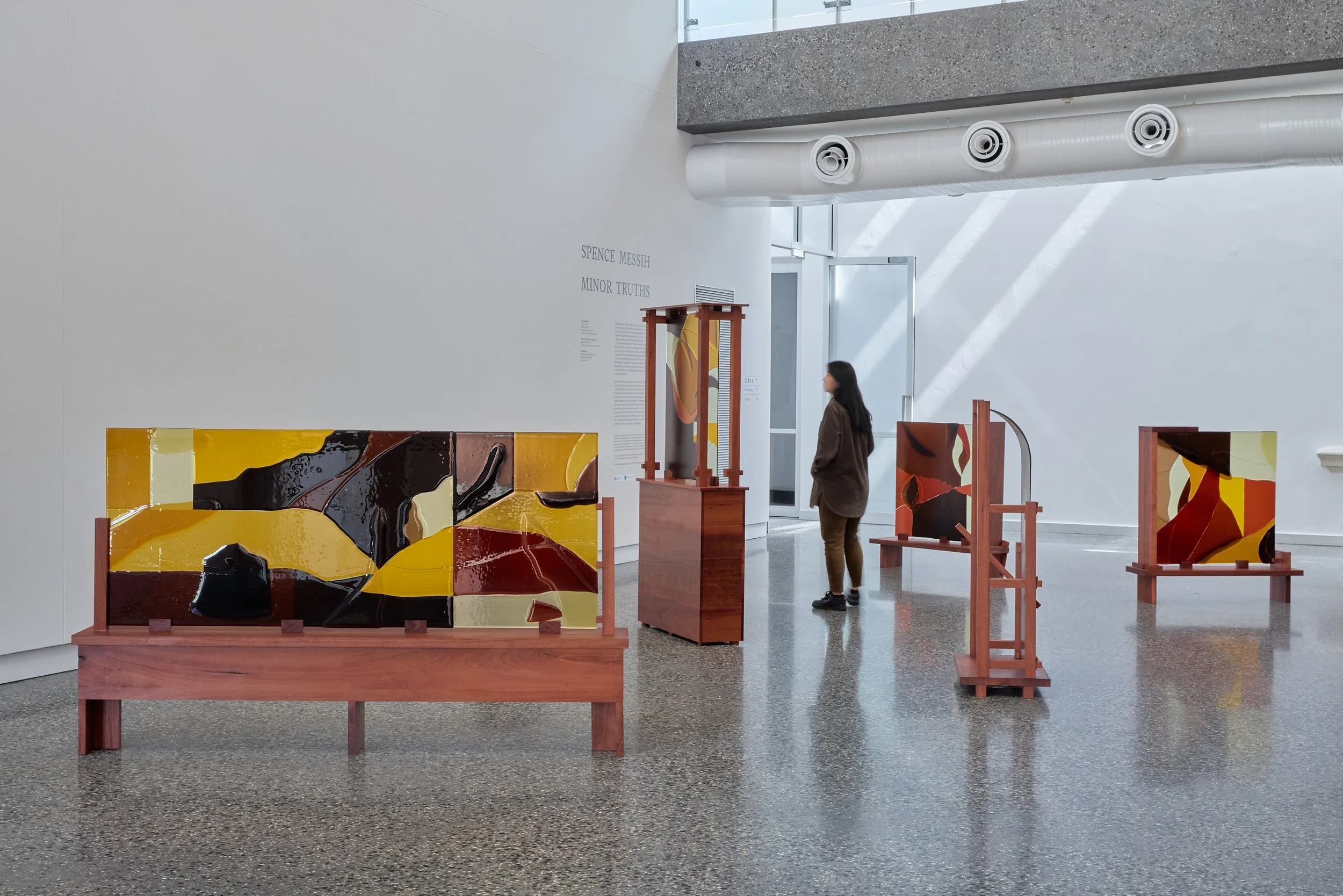
Minor truths, 2022, install view. Photo: Jeremy Weihrauch
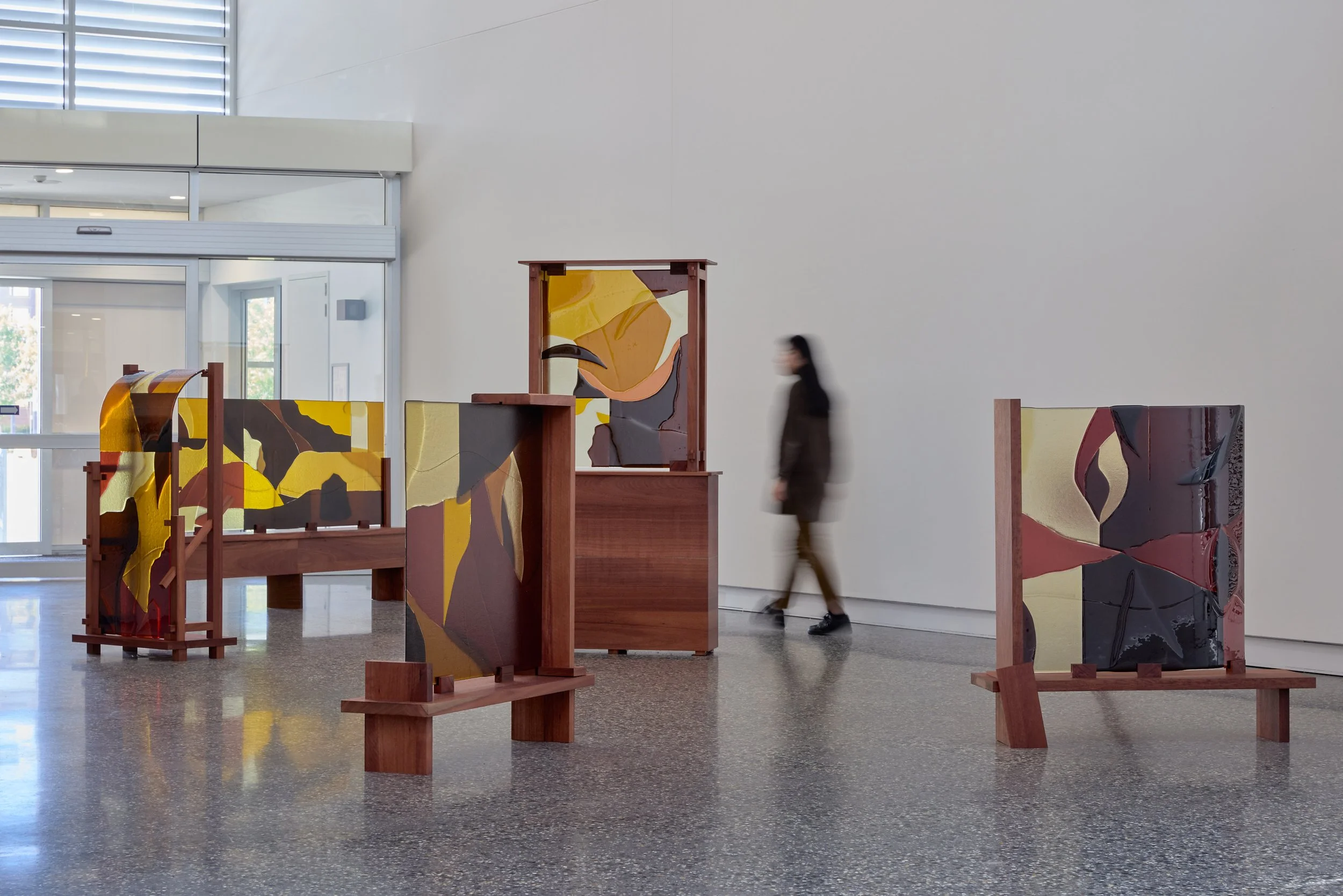
Minor truths, 2022, install view. Photo: Jeremy Weihrauch
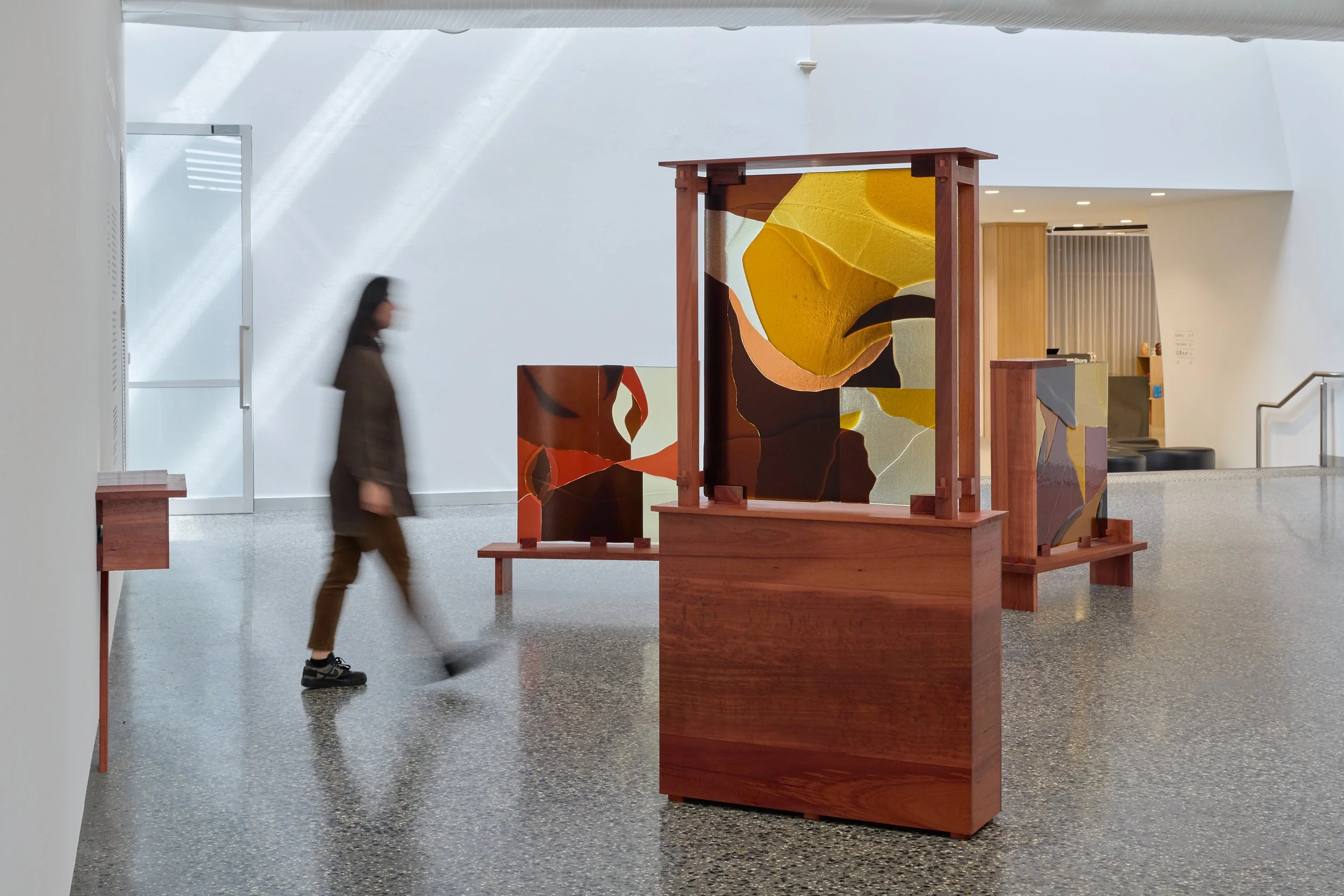
Minor truths, 2022, install view. Photo: Jeremy Weihrauch
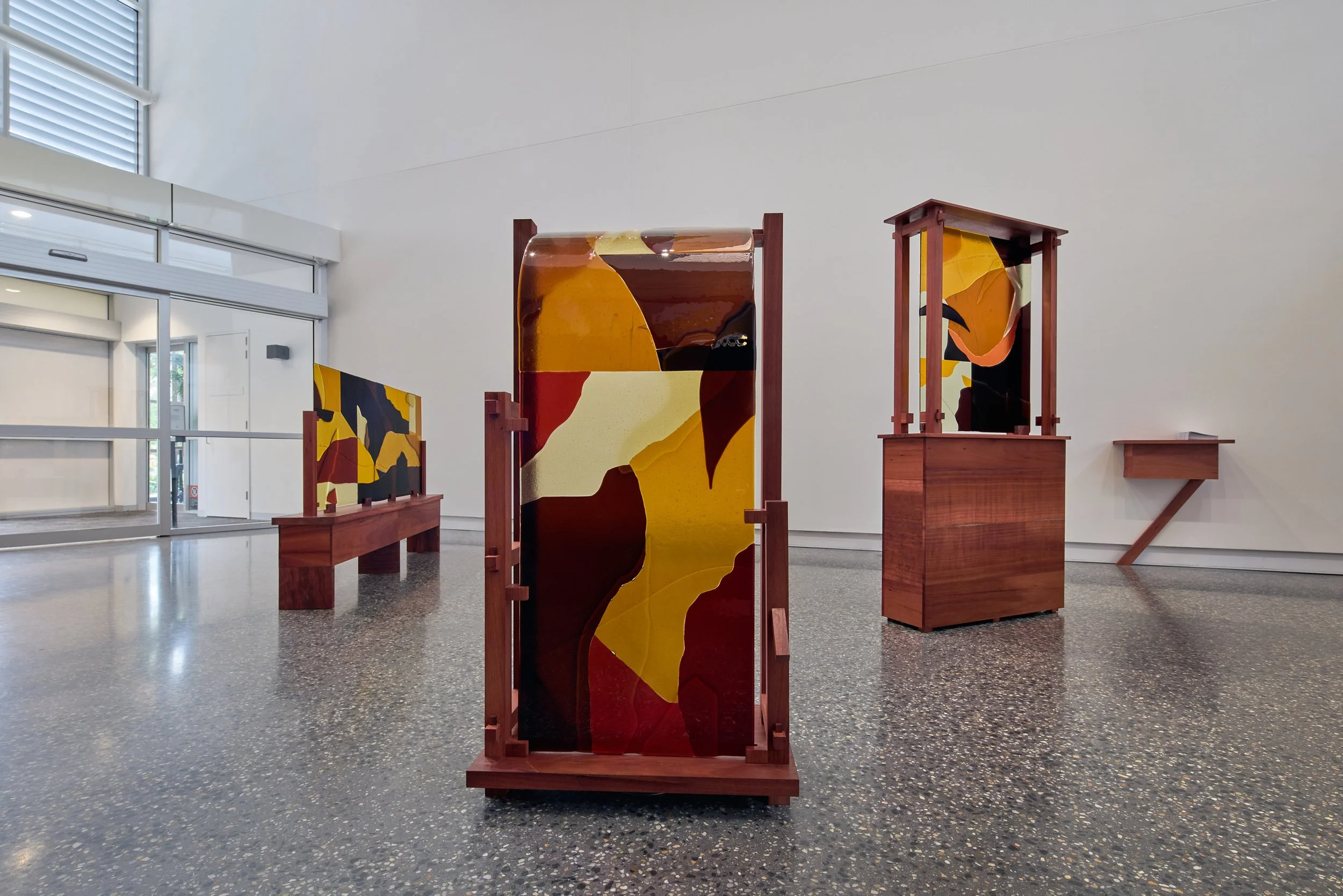
Minor truths, 2022, install view. Photo: Jeremy Weihrauch
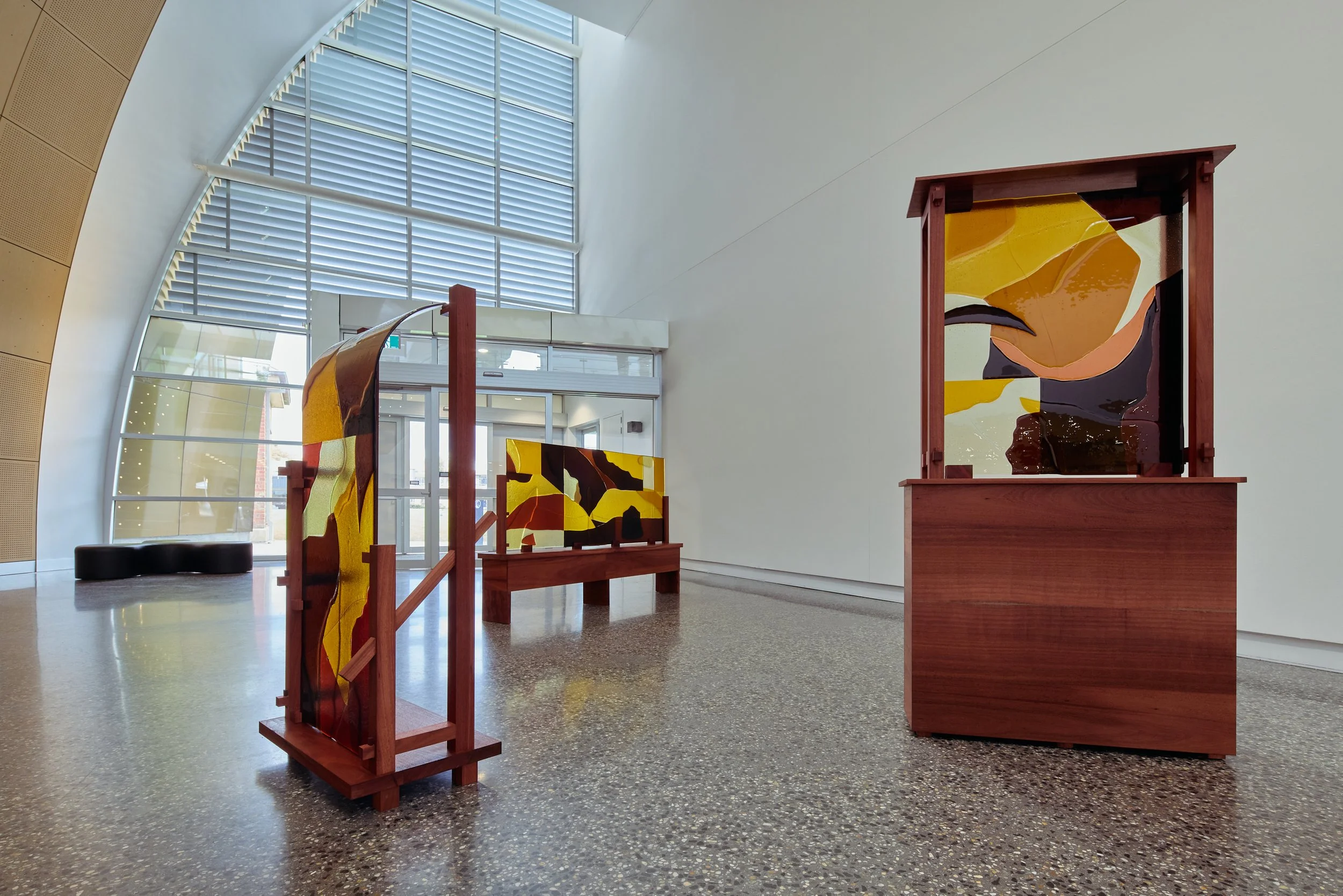
Minor truths, 2022, install view. Photo: Jeremy Weihrauch
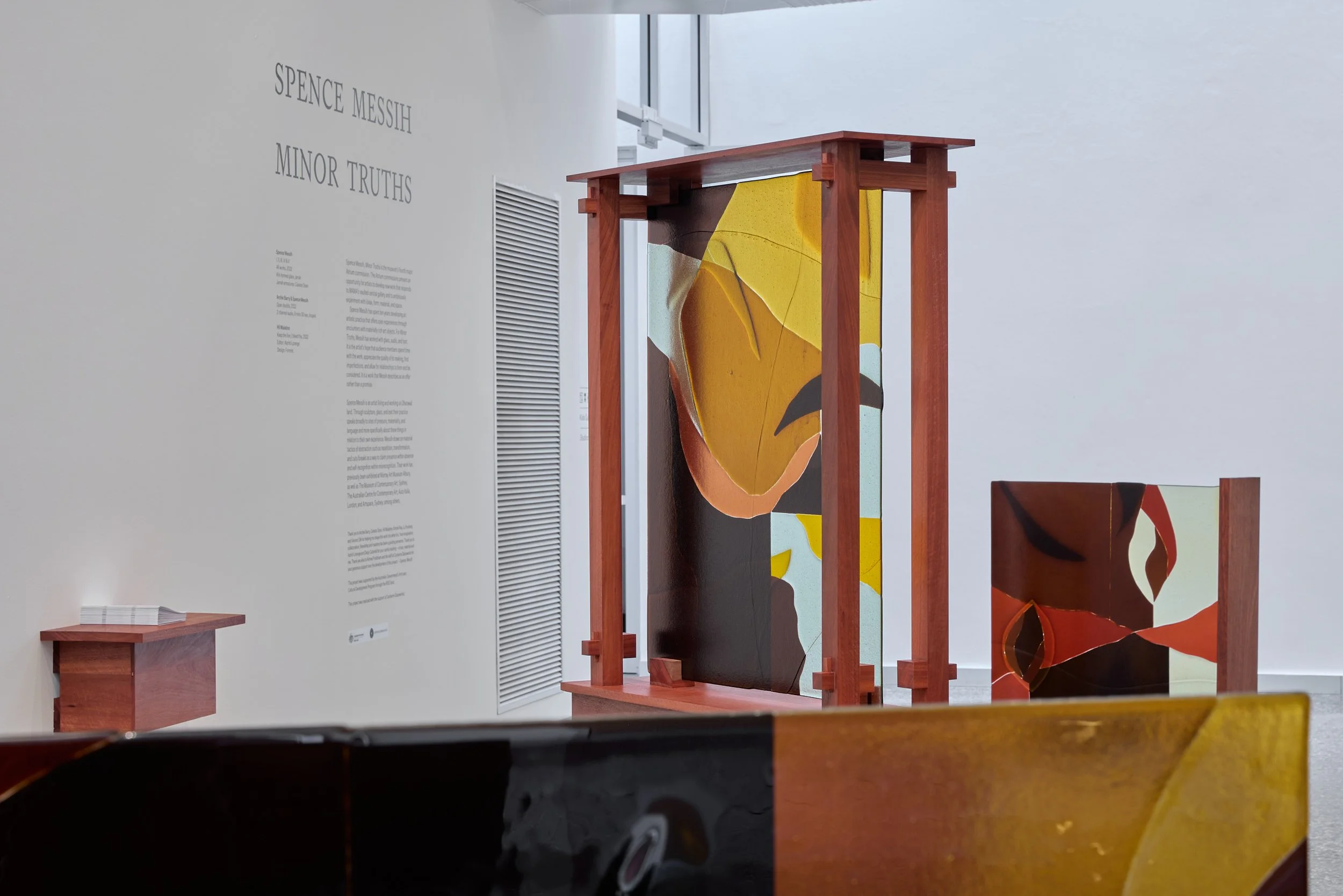
Minor truths III & V, 2022, kiln formed glass, jarrah. Photo: Jeremy Weihrauch
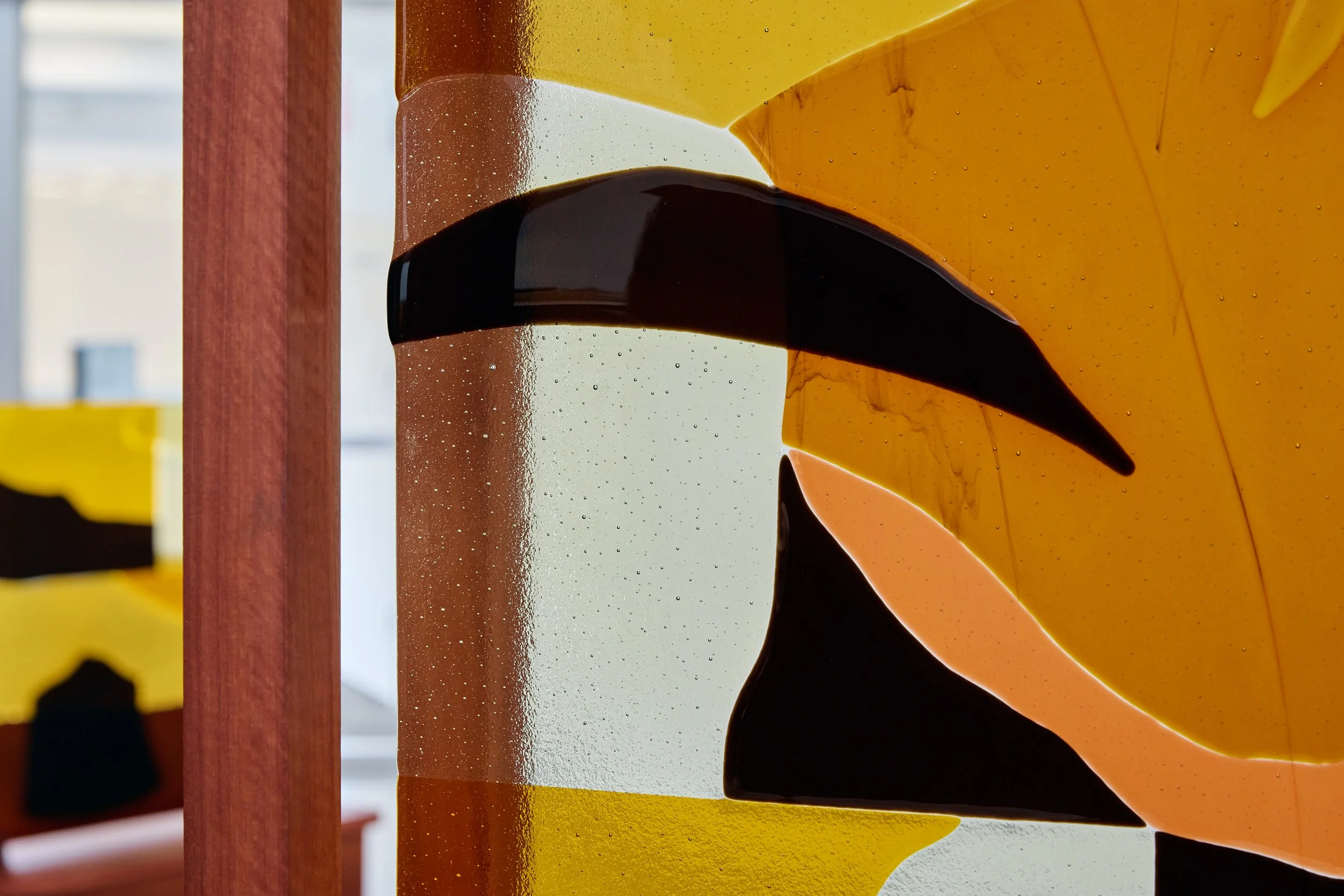
Minor truths III (detail), 2022, kiln formed glass, jarrah. Photo: Jeremy Weihrauch
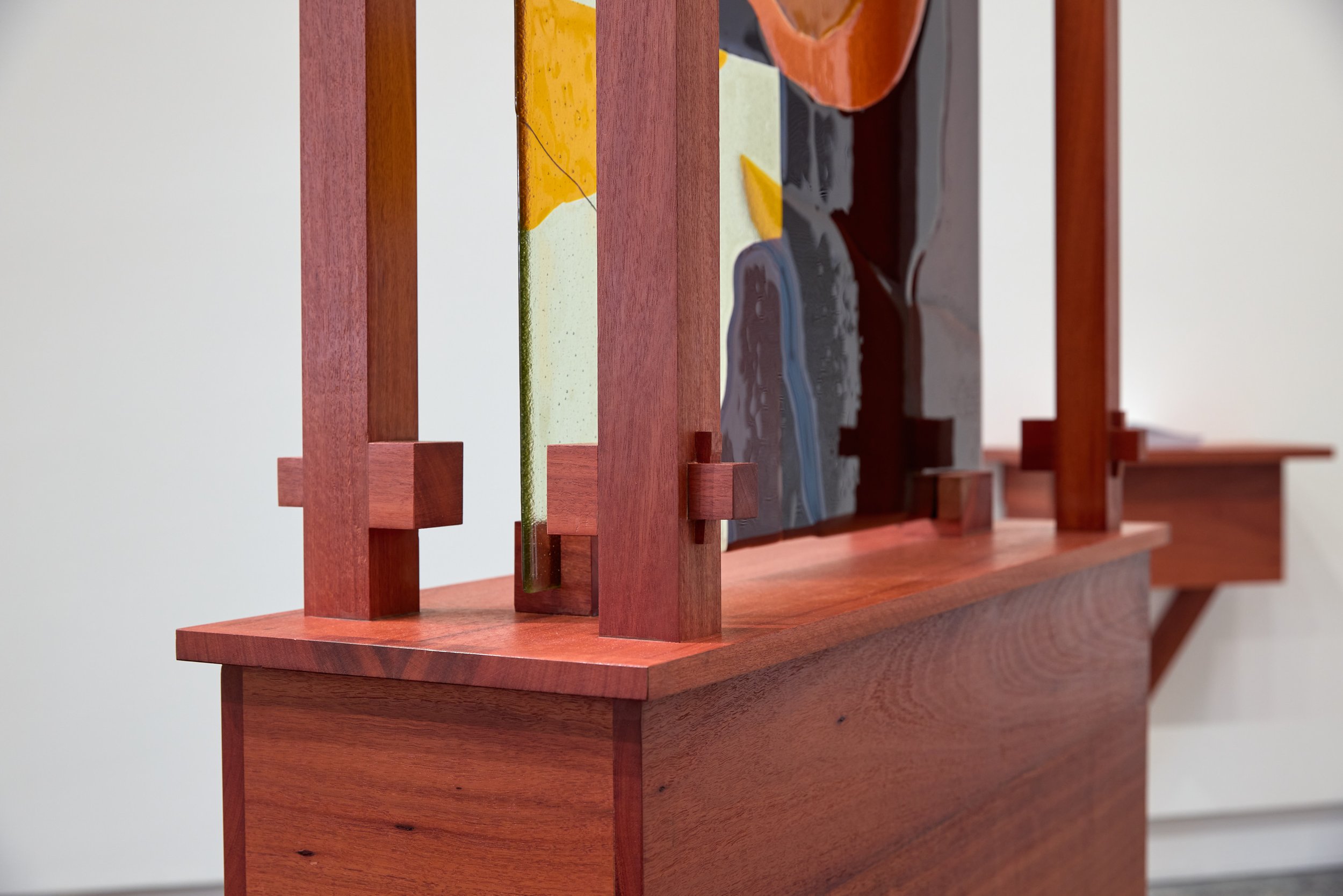
Minor truths III (detail), 2022, kiln formed glass, jarrah. Photo: Jeremy Weihrauch
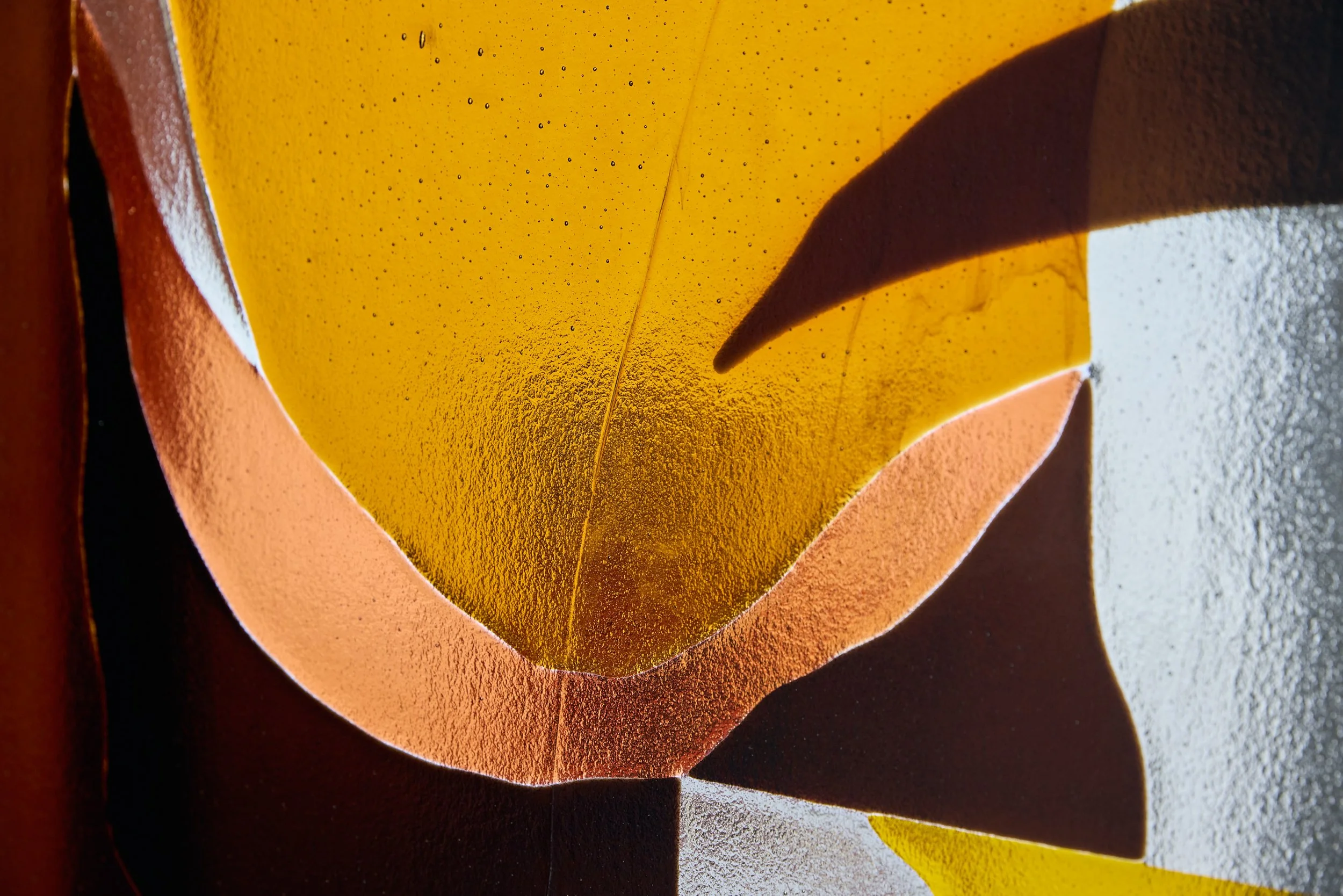
Minor truths III (detail), 2022, kiln formed glass, jarrah. Photo: Jeremy Weihrauch
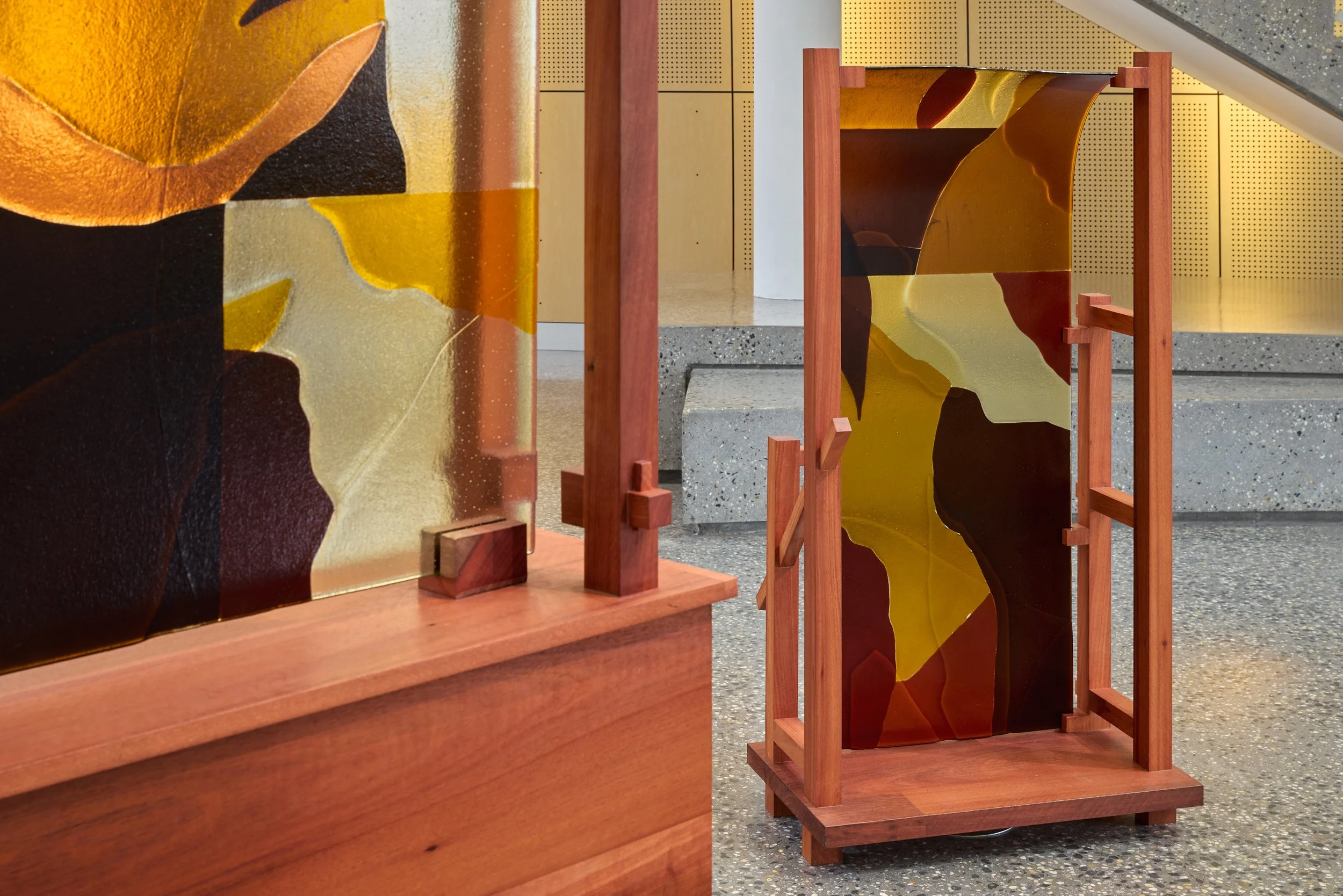
Minor truths III & I, 2022, kiln formed glass, jarrah. Photo: Jeremy Weihrauch
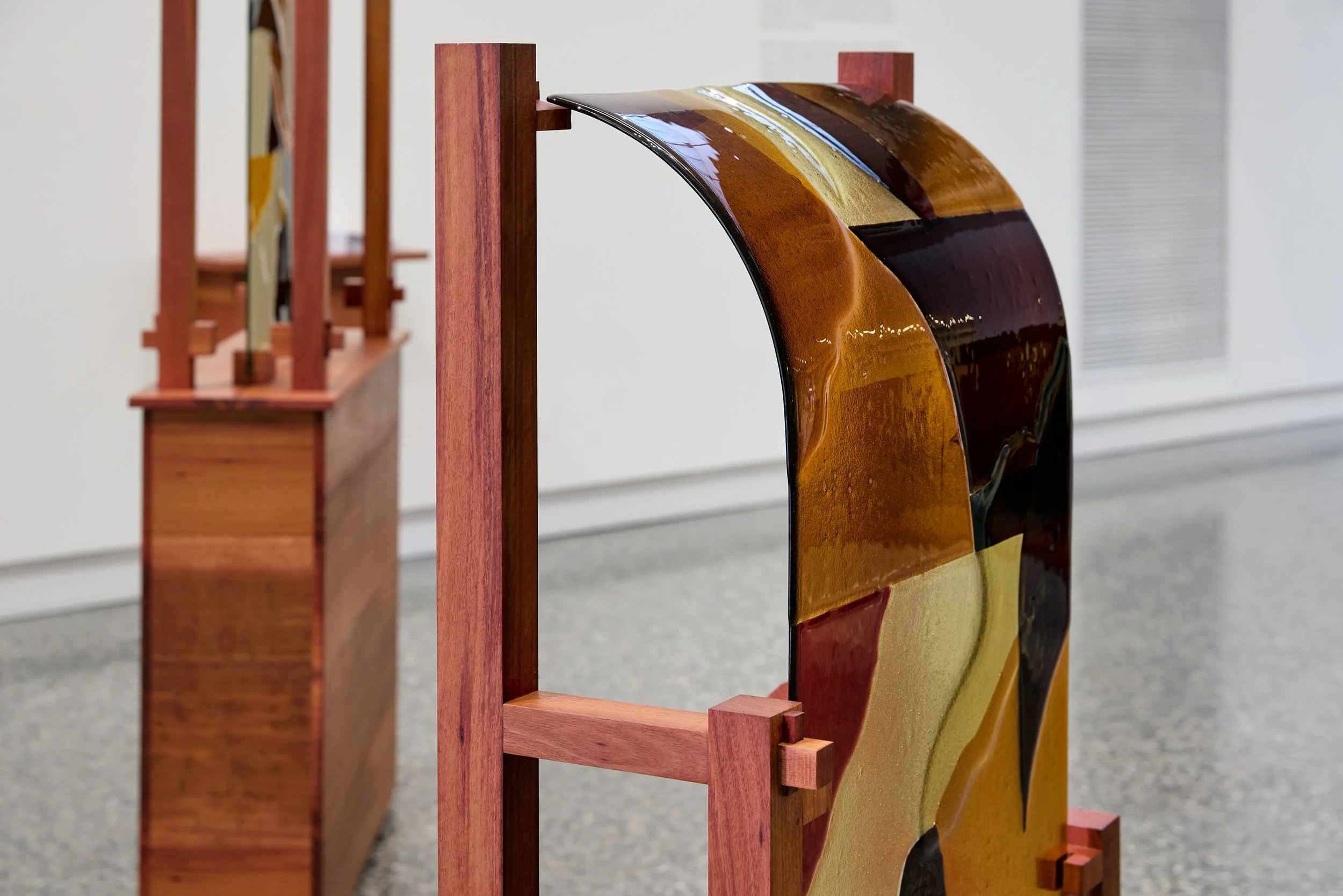
Minor truths III & I (detail), 2022, kiln formed glass, jarrah. Photo: Jeremy Weihrauch
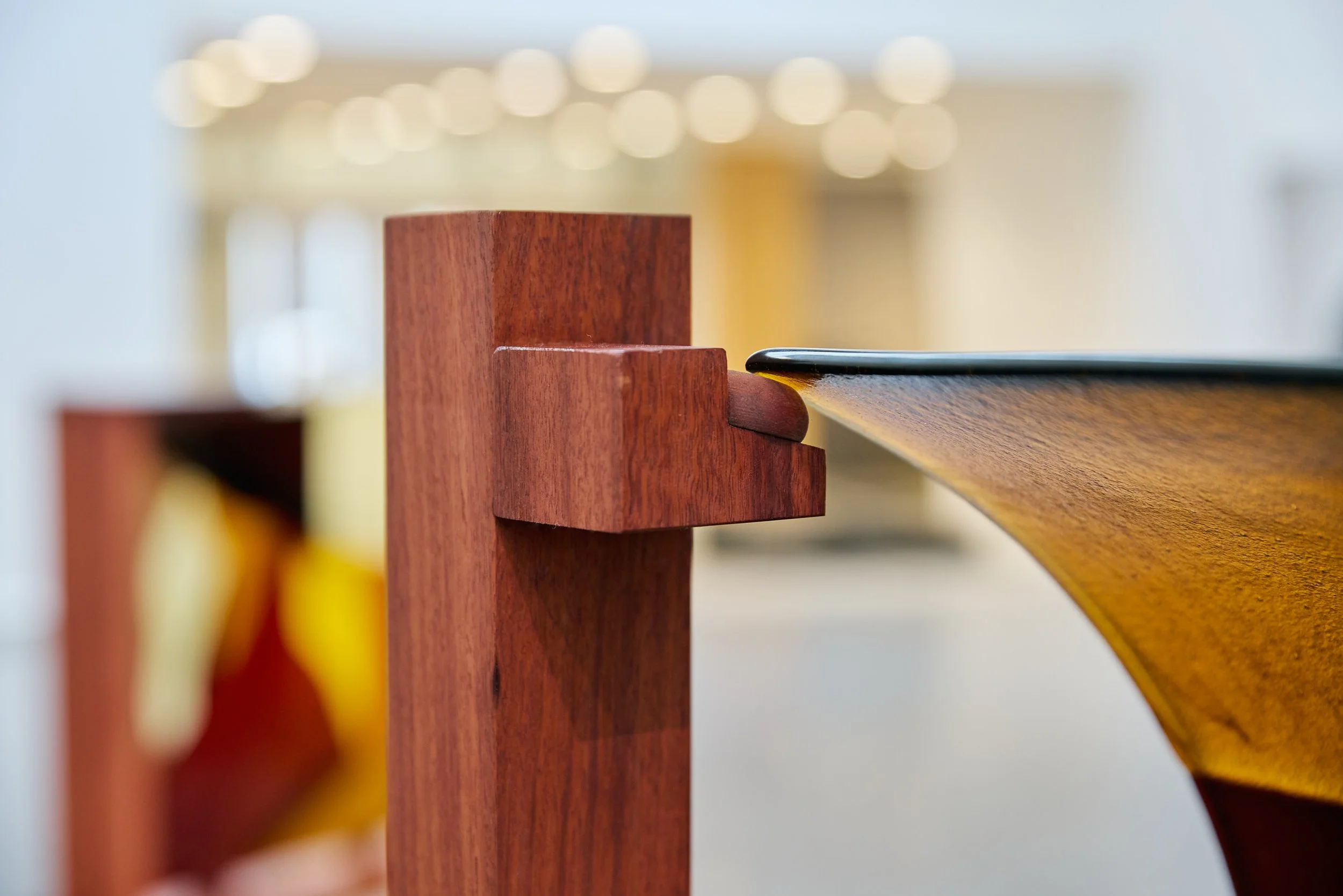
Minor truths I (detail), 2022, kiln formed glass, jarrah. Photo: Jeremy Weihrauch
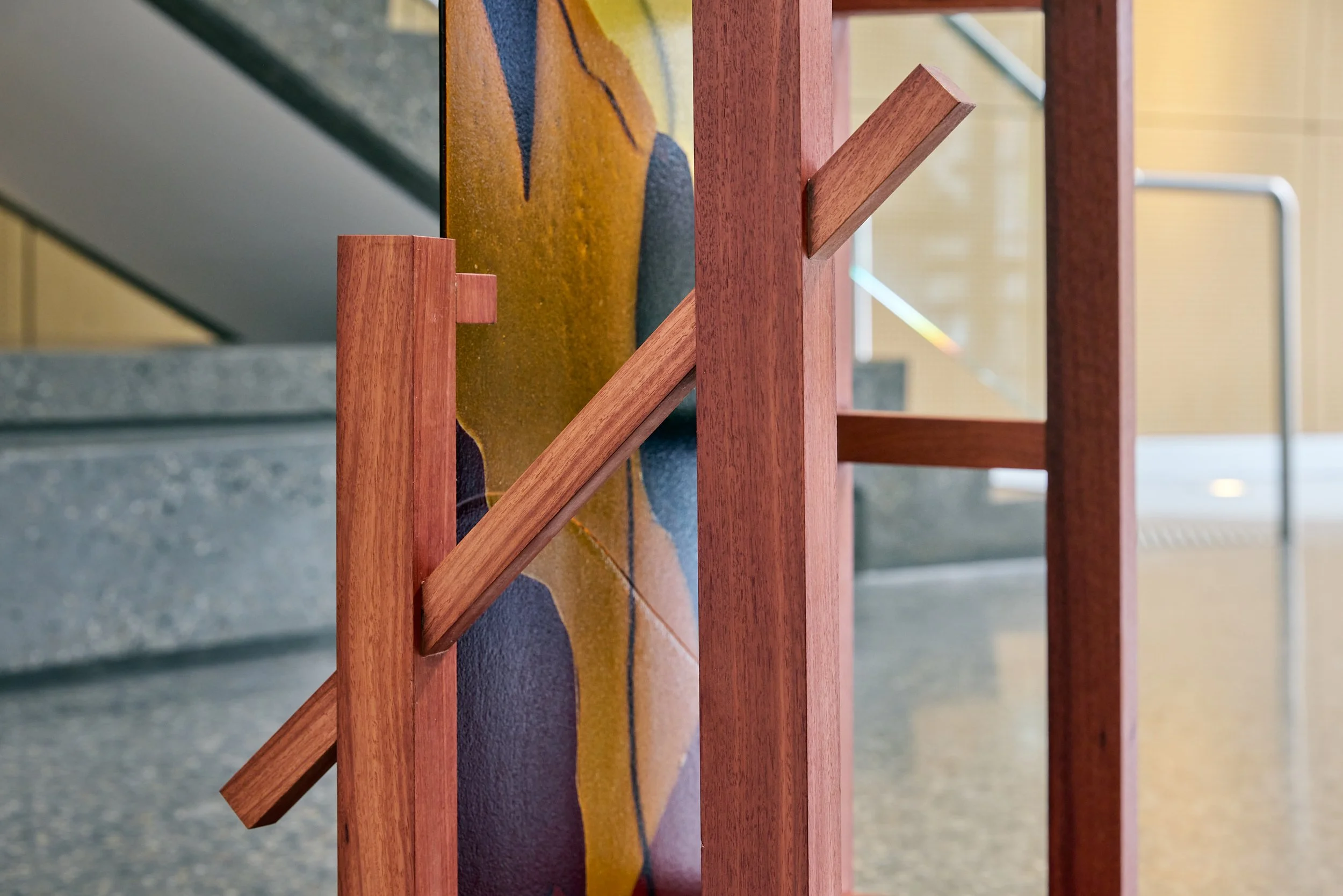
Minor truths I (detail), 2022, kiln formed glass, jarrah. Photo: Jeremy Weihrauch
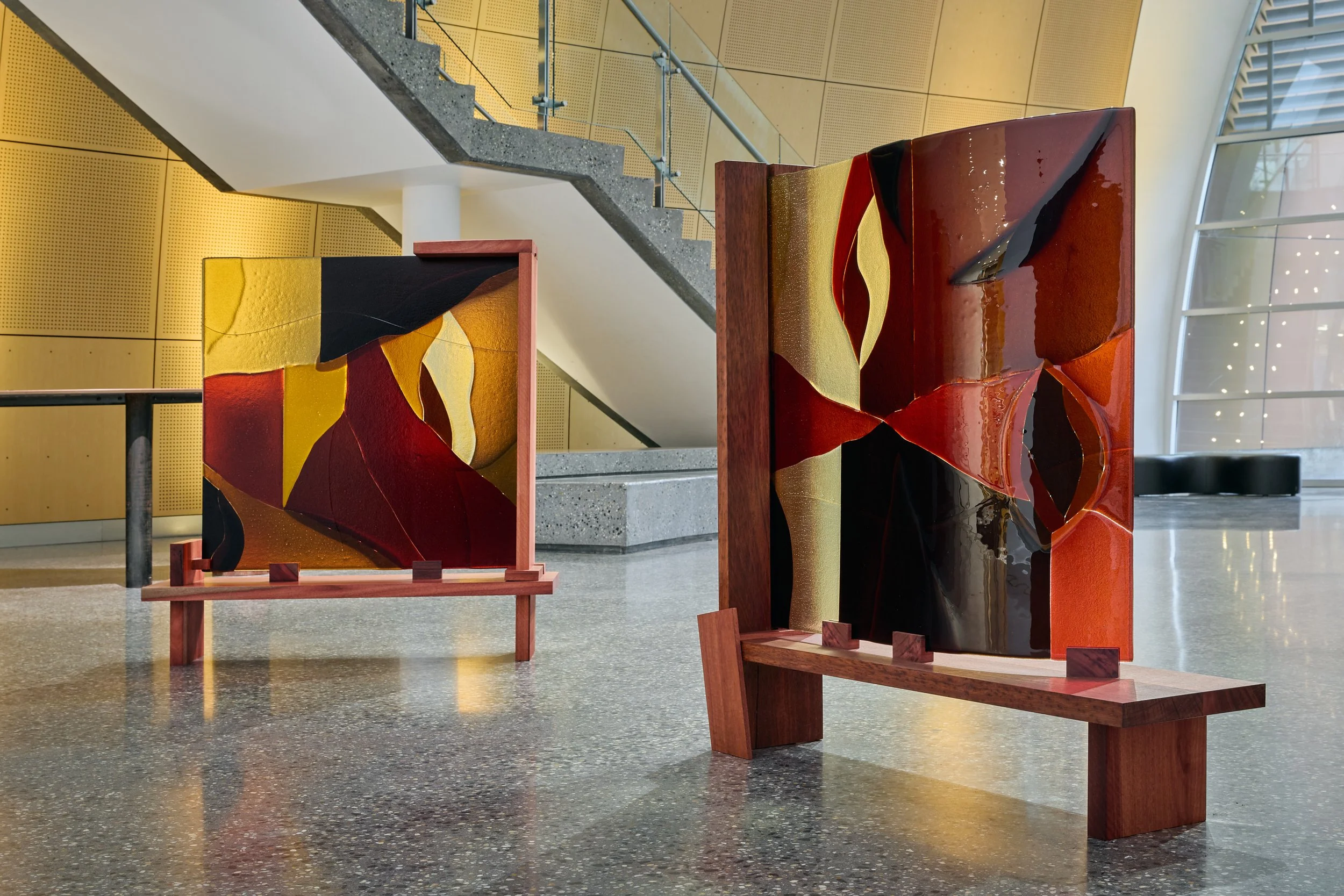
Minor truths IV & V, 2022, kiln formed glass, jarrah. Photo: Jeremy Weihrauch
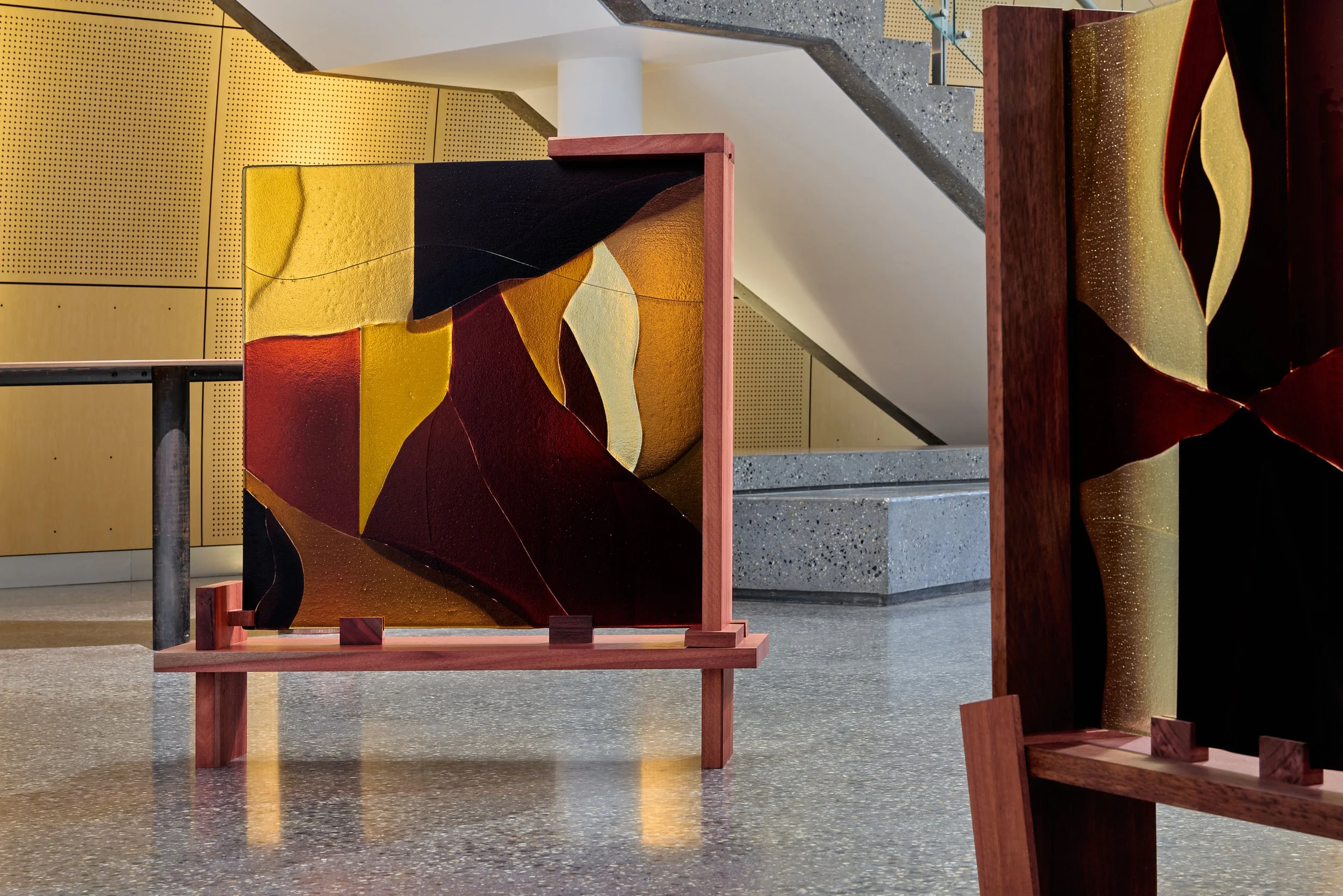
Minor truths IV, 2022, kiln formed glass, jarrah. Photo: Jeremy Weihrauch
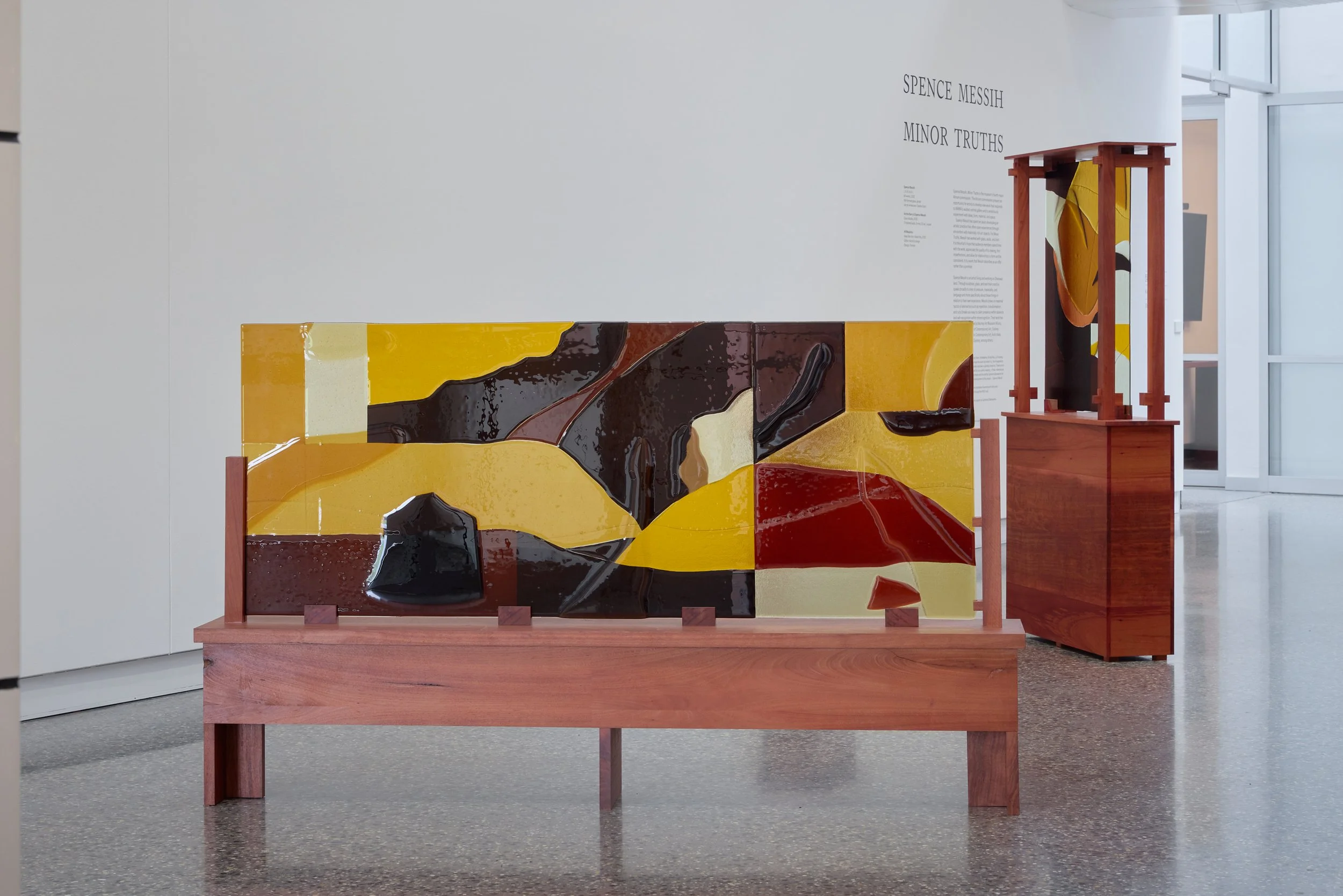
Minor truths II & III, 2022, kiln formed glass, jarrah. Photo: Jeremy Weihrauch
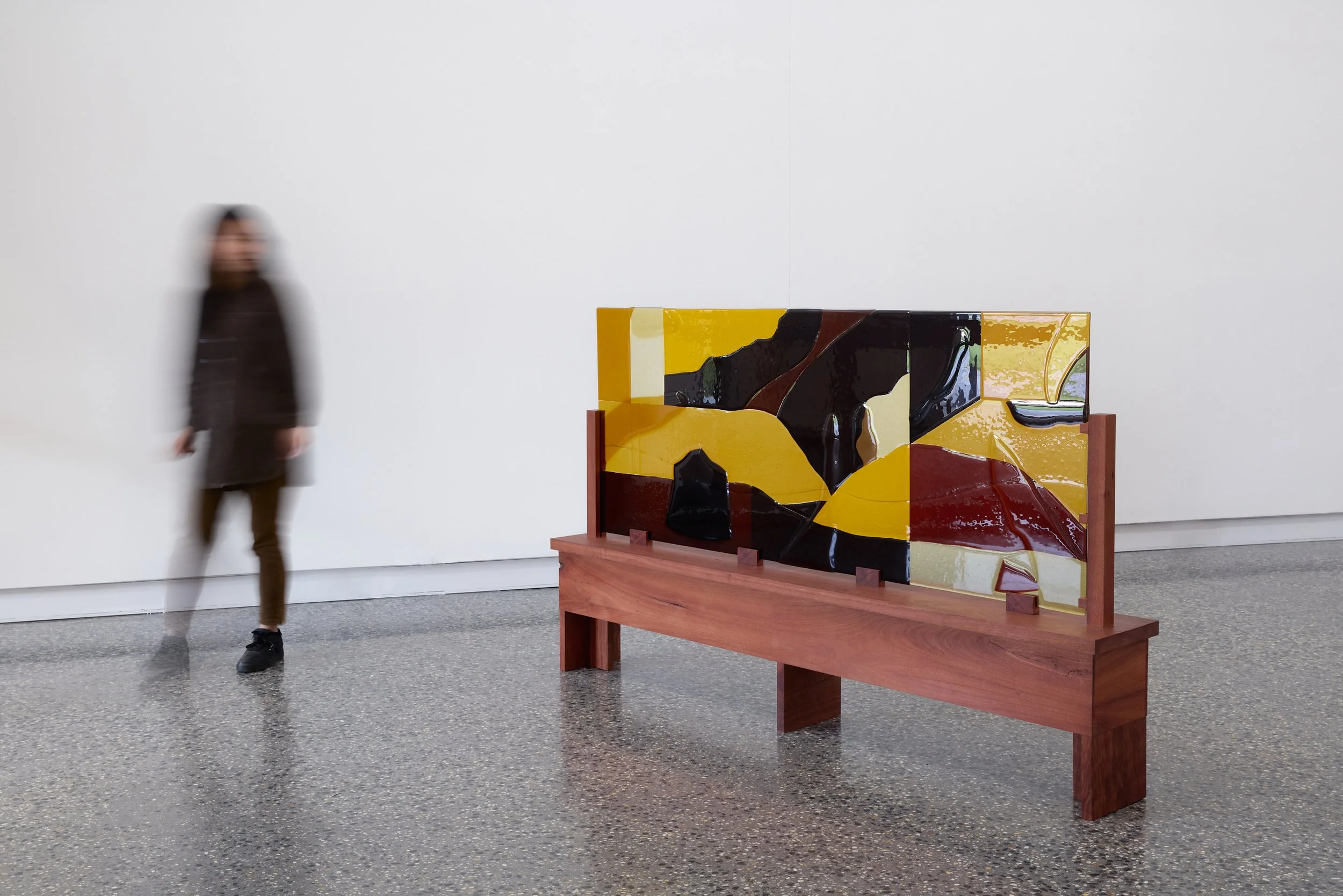
Minor truths II, 2022, kiln formed glass, jarrah. Photo: Jeremy Weihrauch
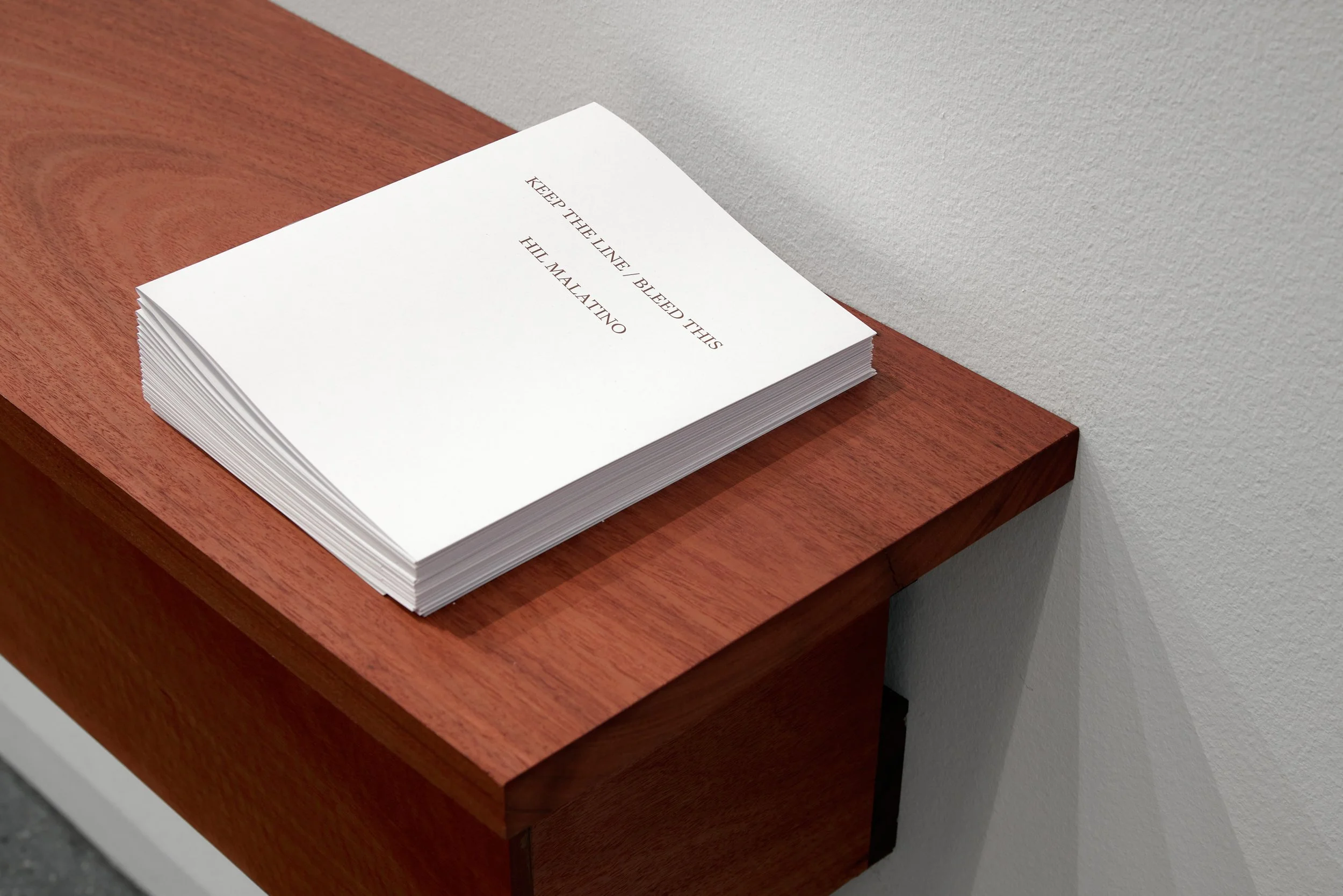
Keep the line/ bleed this, 2022, text by Hil Malatino. Design: Formist. Photo: Jeremy Weihrauch
Minor truths
21 October 2022 — 19 February 2023
Murray Art Museum Albury, NSW, AU
Commissioned by Murray Art Museum Albury
Spence Messih
Minor truths, 2022
I: 75 x 44 x 145 cm | II: 220 x 31 x 132 cm | III: 103 x 31 x 197 cm | IV: 120 x 33 x 127 cm | V: 120 x 36 x 125 cm |
Kiln formed glass, jarrah
Archie Barry & Spence Messih
Open doubts, 2022
2-channel audio, 9 mins 30 sec loop
View exhibition text Keep the line/bleed this by Hil Malatino
Interview with Spence Messih
This major new commission was made possible due to grant funding by the Australian Government's RISE fund.
Incorporating kiln formed glass, hand crafted jarrah armatures, text and audio components, Minor truths took its starting point from Poems of Truth (1957), a collection of poems and prose by Michael Dillon, a man who at various stages of life was a physician, naval surgeon, author, and novice Buddhist monk. From a considered reading of Dillon’s life and work, the exhibition was suggestive of the vulnerability of knowledge – that language, power, architectures, bodies, and ideas of truth are impermanent, malleable, cracked, and unable to contain themselves. Messih’s work, like Dillon’s, was in dialogue with ideas of mastery and its limit, not in terms of control but as an expansive pursuit of knowledge attainment.